High-Protein Breakfast Meal Prep Recipes
Most people eat under 20g protein at breakfast and spend the rest of the day playing catch-up. These recipes flip that. Each one delivers 40–65g protein from solid food — no protein shakes counted — and batch-preps in under an hour. Starting the day 40g ahead makes hitting a 215g daily target realistic without force-feeding yourself at dinner.
13 recipes
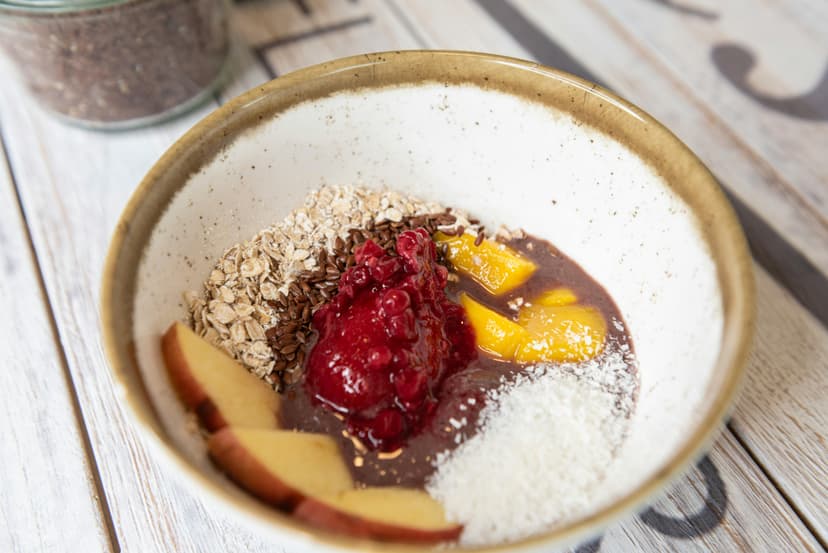
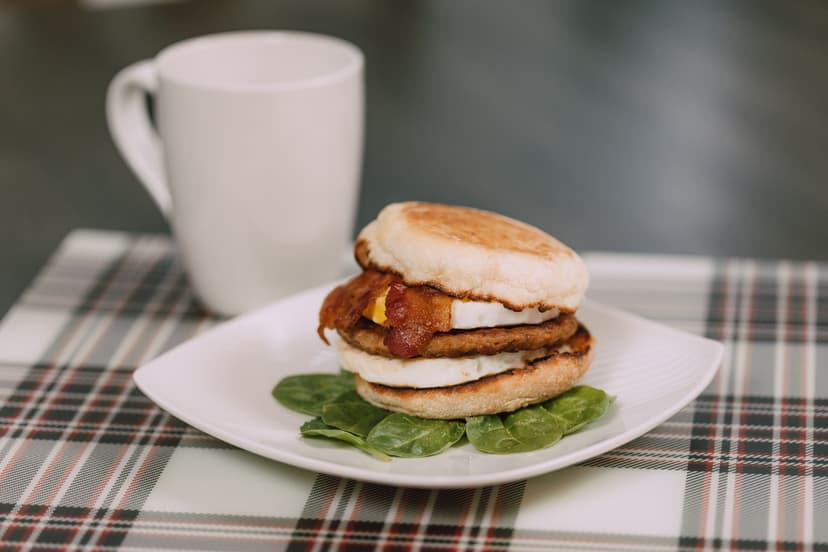
Steak, Egg, Bacon Bagel Sandwiches
Stovetop · 6 servings
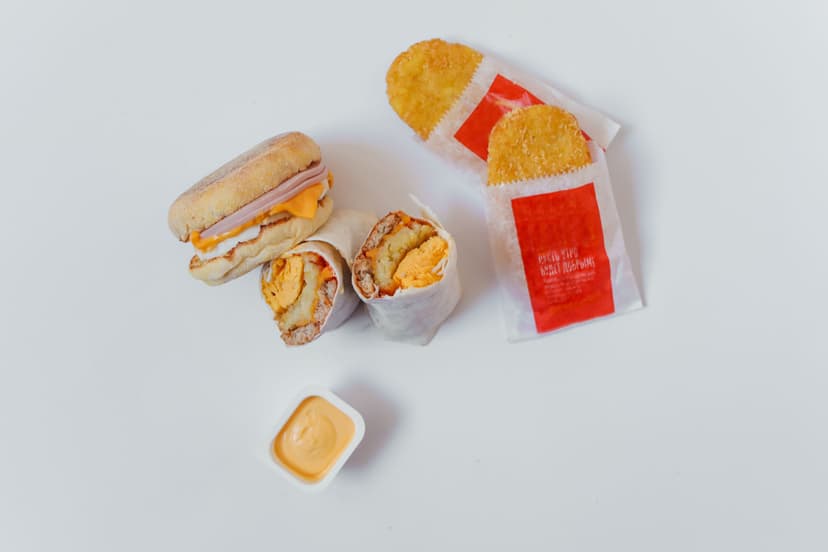
Turkey Sausage Breakfast Sandwiches
Stovetop · 4 servings

Blended Cinnamon Roll Protein Overnight Oats
Stovetop · 3 servings


Amazing Mexican Breakfast Casserole
Stovetop · 12 servings
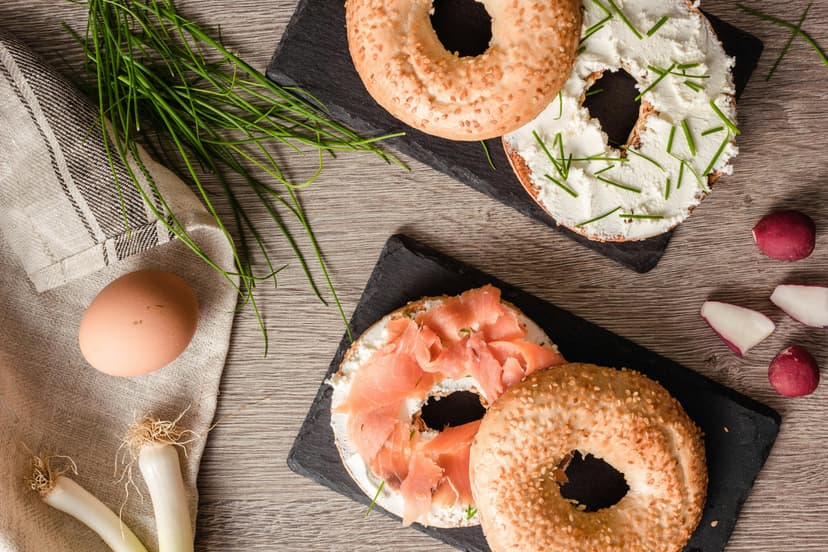
Turkey Sausage and Egg Bagel Sandwiches
Stovetop · 6 servings

Broccoli Frittata With Cheddar
Stovetop · 6 servings

Apple Cinnamon Cottage Cheese Breakfast Bowl
Stovetop · 1 servings

Buffalo Chicken Deviled Eggs Recipe
Stovetop · 12 servings

Bacon Broccoli Cheddar Crustless Quiche
Stovetop · 8 servings


Explore more
Frequently asked questions
How much protein should a high-protein breakfast have?
A high-protein breakfast should deliver at least 40g of protein from whole food sources. Research on muscle protein synthesis suggests 40g per meal is the threshold that maximizes anabolic response, particularly for people over 40. Hitting 40g at breakfast also reduces hunger throughout the day and makes a 200g+ daily protein target achievable across 3–4 meals.
What are the best foods for high-protein breakfast meal prep?
Eggs and egg whites are the most versatile — they batch-cook in large quantities and reheat well in casseroles or scrambles. Turkey sausage and lean ground turkey provide dense protein with controlled fat. Cottage cheese blends into scrambles or bakes with a mild flavor and adds 14g protein per half cup. Greek yogurt works in overnight-style preparations.
Can you meal prep eggs for the whole week?
Yes — baked egg casseroles, frittatas, and egg muffins all keep for 4–5 days refrigerated. Scrambled eggs are better consumed within 3 days. Hard-boiled eggs last up to a week unpeeled. Avoid meal prepping fried or over-easy eggs, as the yolk texture degrades after day one.
How do you hit 200g of protein per day starting at breakfast?
Start with 40–50g at breakfast, which puts you 20–25% of the way to 200g before 9am. A breakfast casserole with eggs, egg whites, and turkey sausage achieves this easily. Then two main meals at 65–75g each and a snack at 20–25g closes the gap. PrepForge scores every recipe against your daily target so you can see exactly how each breakfast fits your remaining budget.